
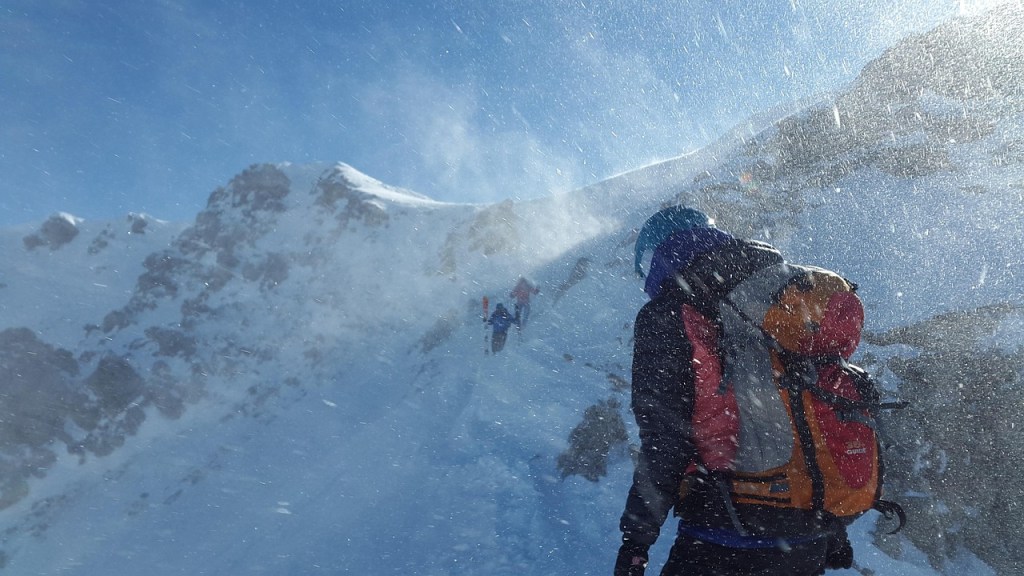
Blizzard, fresh snow, severe course deterioration and bib luck made the men’s slalom at Milano Cortina 2026 a historic test with half the field failing to finish
By Viviane Vaz
MICE INSIGHTS (17 February 2026)
When 96 of the world’s best slalom skiers push out of the Olympic start gate, the objective is clear: identify who is the best on that day under comparable conditions. Not identical, since that’s impossible in outdoor sport, but comparable enough to allow skill and tactics to determine the podium.
The men’s slalom at the Milano Cortina 2026 Winter Olympics tested that principle to its limits. On February 16, during the first run alone, 50 athletes recorded a DNF (Did Not Finish) and two were disqualified (DSQ). It means that 52 of 96 were gone before the race had properly settled. A 54% failure rate isn’t just difficult racing, it’s systemic breakdown. For event organizers, that number matters.

The causes were obvious. Meteorologists had forecasted “adverse weather” and “heavy snowfall” across the Alps starting Sunday evening. A morning blizzard dumped heavy snow on the course. Thick fog flattened the light so completely that terrain definition disappeared. Gates blurred into the background. Crews worked continuously with shovels and brooms, but accumulation outpaced intervention. The racing line changed skier by skier.
Safety and fairness balance
From an organizational standpoint, the dilemma is familiar: finding the right balance between safety and fair play. Slalom is a lower-speed discipline. International Ski Federation (FIS) officials judged the hill technically skiable. No catastrophic wind gusts, no uncontrollable speeds. By the rulebook, the threshold for cancellation was not met.
But Olympic competition is not only about what is “skiable.” It is about staging a contest that rewards performance rather than timing.
The first run quickly became a case study in bib order dynamics. Early starters — among them Loïc Meillard (Bib 2) and Henrik Kristoffersen (Bib 7) — raced before the snowfall fully intensified and before dozens of crashes tore up the surface. By the time bib numbers passed 20, visibility had worsened and fresh snow forced athletes to plow rather than carve. The competition drifted from a test of precision to a test of survival.
That shift matters when defining the purpose of an Olympic event. Is the goal to identify the most adaptable athlete in chaotic, deteriorating conditions? Or to provide a platform where the field faces broadly equivalent parameters so technical superiority can emerge?
Similar scenarios, different decisions
The Winter Olympics operate on a tightly packed schedule, with multiple disciplines running across the same venues over just a few days. Postponing a single race can create a ripple effect, interfering with TV broadcast commitments, other alpine events like the combined or giant slalom, and the logistical flow of venues and athlete recovery periods.
The criticism comes due to the contrast with other decisions at the same Games. A Ski Jumping Super Team final was halted mid-event over competitive imbalance caused by wind variation. Snowboard slopestyle was moved to avoid the same storm system. In those cases, organizers prioritized uniformity of conditions. In the slalom, they prioritized continuity.
Athletes felt the consequences immediately. Brazilian star Lucas Pinheiro Braathen — who earlier delivered Brazil’s first Winter Olympic gold — fell in Run 1 amidst the worsening blizzard. Many athletes said the whiteout and heavy snow made skiing extremely difficult, turning technique into survival rather than tactical execution.
The most visible emotional flashpoint came from Norway’s Atle Lie McGrath. Although he completed his run without falling, the blizzard, heavy snowfall, and deteriorating course forced him to ski cautiously and take off-line paths, costing precious time and pushing him out of medal contention. After finishing, he threw his poles and walked off into the woods, seeking “peace and quiet” away from cameras. His teammate Kristoffersen defended him: “What are sports without the emotions?”
From an event management perspective, that image may outlast the results sheet. Mega-events are judged not only by compliance with regulations, but by the perceived equity of the platform they create. When over half the field disappears in a single run, organizers may have respected the rulebook, but they also enter a grey zone where operational legitimacy becomes part of the competitive story.
Emotion is gold
Yet perhaps the only undisputed winner that day was emotion itself. When McGrath disappeared into the trees after skiing out, some framed it as a meltdown. But from another angle, it was a fair refusal to pretend that a day shaped so heavily by storm and circumstance felt normal. He stepped away.
Was the slalom a legitimate outdoor challenge? Yes. Did it resemble a survivor’s quest more than a skills showcase? Also yes.
Some days before, I was cheering for the first Brazilian gold medal. This time, my invisible gold medal goes to the Norwegian who went to the woods. No wonder they are friends. They both bring their human emotions to bear in the face of rigid and, at times, senseless rules.
 Mice Insights
Leave a comment