
“LOV2030 – Human Nature” motto impressed EU juries
By Viviane Vaz
(Brussels, 3 October 2025)
Leuven has officially been crowned European Capital of Culture (ECoC) for 2030, putting this Flemish university town firmly on Europe’s cultural map. Known for its centuries-old university, buzzing beer culture 🍻, and dynamic creative scene, Leuven faces a new challenge: becoming a magnet not only for tourists but for the MICE industry (that’s Meetings, Incentives, Conferences, and Exhibitions).
The city’s winning concept, titled “LOV2030 – Human Nature,” impressed EU juries with its bold regional approach, extending the celebration beyond Leuven to include over 30 municipalities in the East Brabant region. It’s a culture-led reimagining of urban development—with a strong business twist.
Since the launch of the ECoC initiative in 1985, cities across Europe have used the designation as a springboard for reinvention. From Marseille’s edgy transformation in 2013 to Esch-sur-Alzette’s border-blurring cultural fusion in 2022, the title is about more than music and museums—it’s about infrastructure, image, and impact.
💼 What MICE can expect from Leuven 2030
Here’s what the business event planners can realistically expect from Leuven’s culture-powered transformation:
🏨 1. Hotel bookings on the rise
Historical data from past ECoC cities shows hotel overnight stays increase by 10% to 30% during and around the Capital of Culture year. With Leuven targeting over 3 million visitors in 2030, hotel occupancy and average daily rates (ADR) are set to climb 📈.
🎭 2. Venue usage boom
Esch2022 hosted over 3,100 cultural activities, many in converted industrial and multipurpose spaces. Expect Leuven’s conference venues, university halls, and cultural centres to become hubs not just for concerts—but for business events, academic symposia, and incentive travel.
✈️ 3. Better branding = better business
The “European Capital of Culture” label opens doors: city rebranding, international press coverage, and new partnerships often help cities win post-ECoC bids for major conferences and summits.
🔎 Case Study Snapshots: What the Numbers Say
- 📍 Esch2022 (Luxembourg): Over 500,000 attendees across events. Boosted the image of the entire cross-border region, with long-term economic benefits estimated in the tens of millions.
- 📍 Lille 2004 (France): Hotel occupancy jumped 15%, and the city saw a 17% increase in tourism over the previous year. Today, it remains a sought-after venue for pan-European conferences.
- 📍 Liverpool 2008 (UK): A gold standard. The city saw £753 million in economic impact, including a sharp increase in conference bookings. Perception of the city shifted from post-industrial to cultural hot spot.
✈️ Final boarding call: Leuven is ready for takeoff!
Charming yet ambitious, Leuven has all the raw materials: history, innovation, world-class beer, and now, a cultural title with European clout. With 2030 on the horizon, this once-understated city is set to become one of Europe’s most compelling destinations—not just for art lovers, but for the global business event scene.
So whether you’re planning a strategy summit or a cultural escape, Leuven 2030 might just be your next go-to city.
💡 Travel Tip: Leuven is only 20 minutes by train from Brussels, making it a seamless stop for conferences tied to EU institutions or international firms. Don’t forget to book early—2029 and 2030 will be prime time.
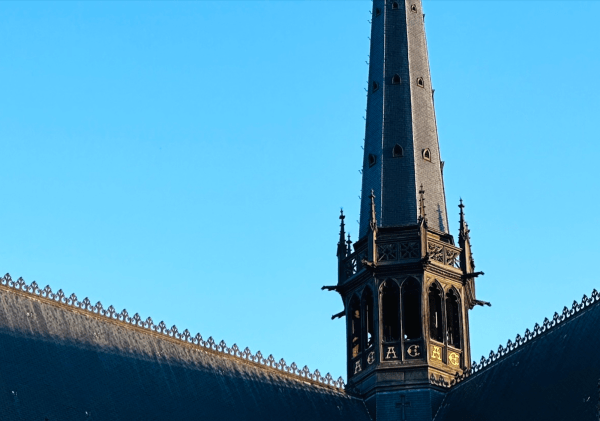
Photo: Leuven, Belgium, by Viviane Vaz
 Mice Insights
Leave a comment